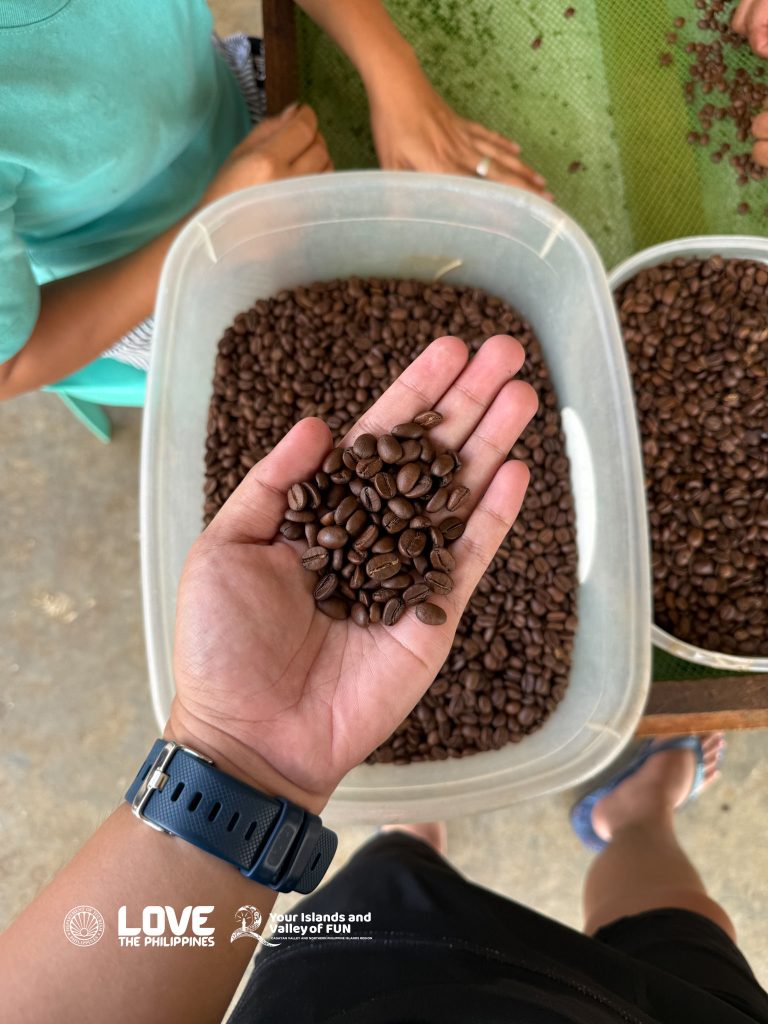





Kasibu Strengthens Eco-Cultural Tourism Circuit through DOT Region 2 Validation Initiative
In a significant stride toward strengthening Northern Luzon’s tourism landscape, the Department of Tourism Region 02 (DOT Region 02), in coordination with the Department of Tourism Central Office and the Provincial Culture and Tourism Office of Nueva Vizcaya, successfully conducted a comprehensive four-day site validation of the Captivating Kasibu Tourism Circuit.




The activity forms part of the Php 500,000 financial assistance extended by the Department of Tourism to the Kasibu Local Government Unit (LGU) for the development of its tourism circuit. This initiative underscores the Department’s continuing commitment to transforming emerging destinations into market-ready tourism products anchored on sustainability, cultural integrity, and inclusive growth.
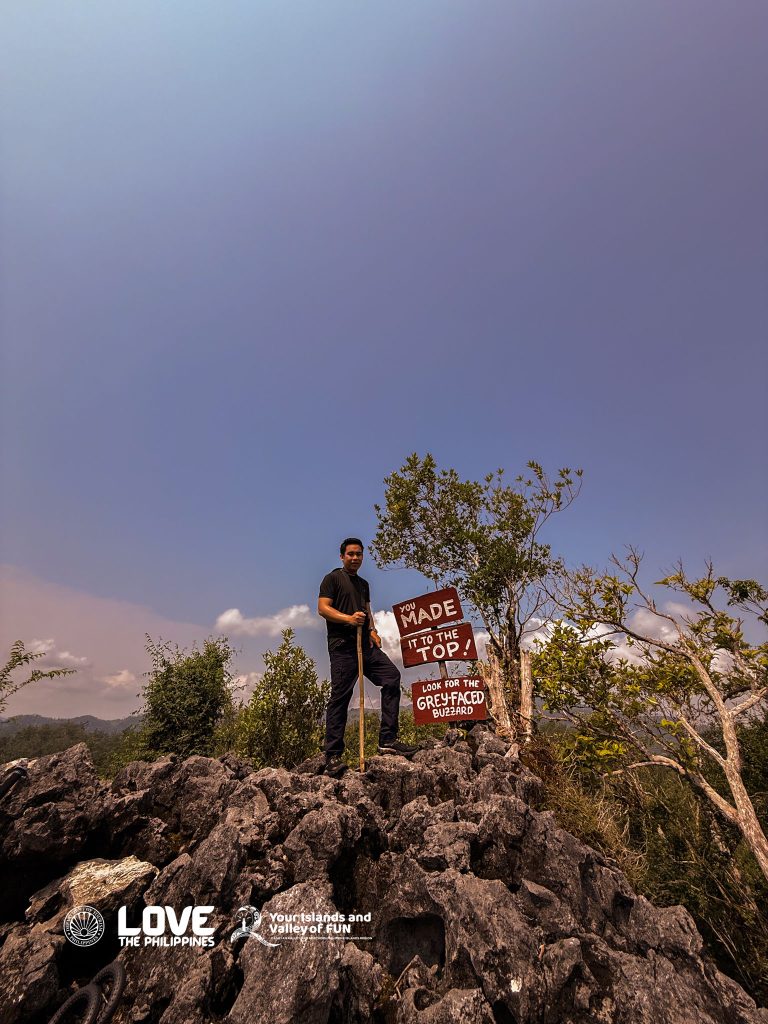
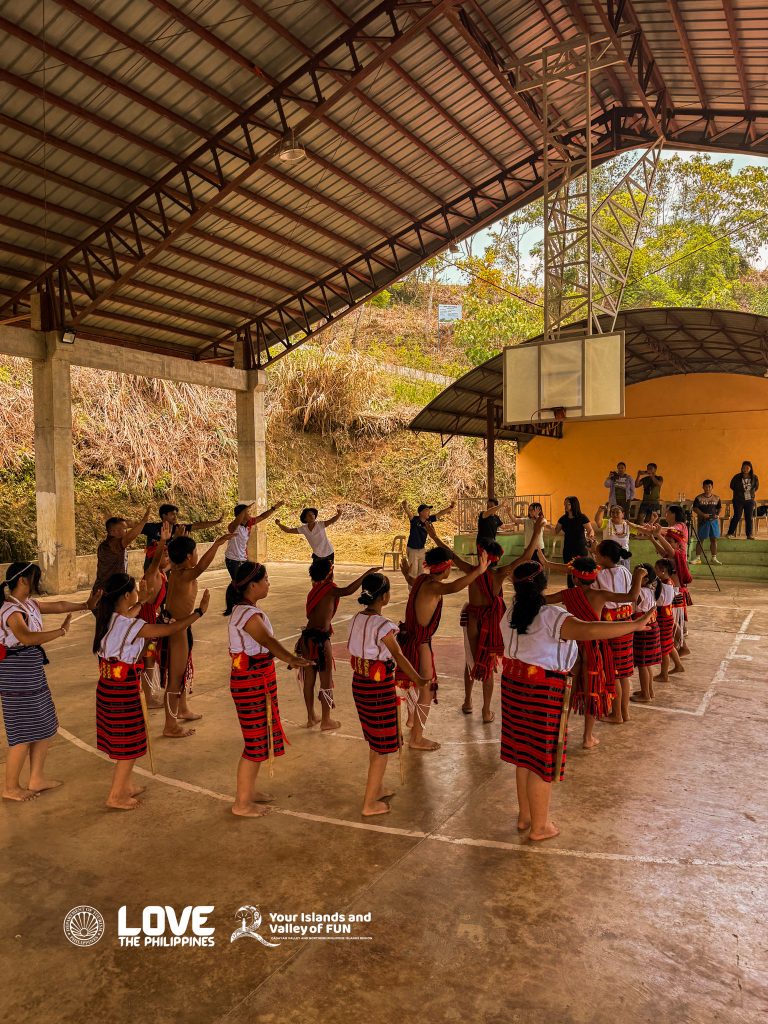
The validation was participated in by representatives from DOT Region 02, the DOT Central Office, Provincial Tourism and Culture Office, and municipal officials of Kasibu. The activity aimed to assess the circuit’s readiness, enhance visitor experience, and evaluate overall competitiveness, while aligning local tourism offerings with national standards and evolving global tourism trends.
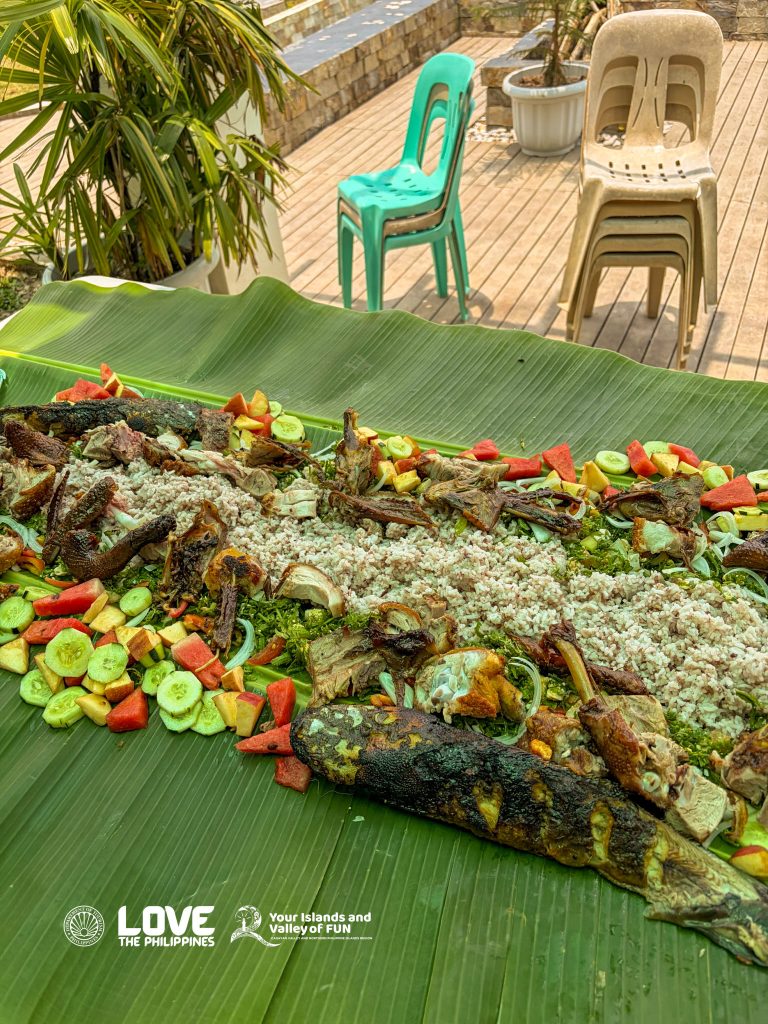
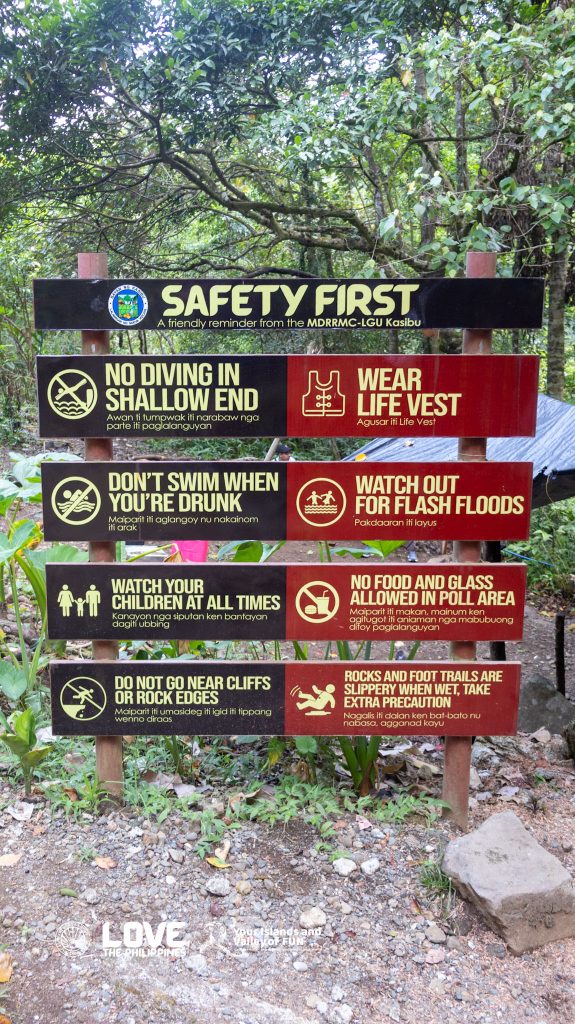
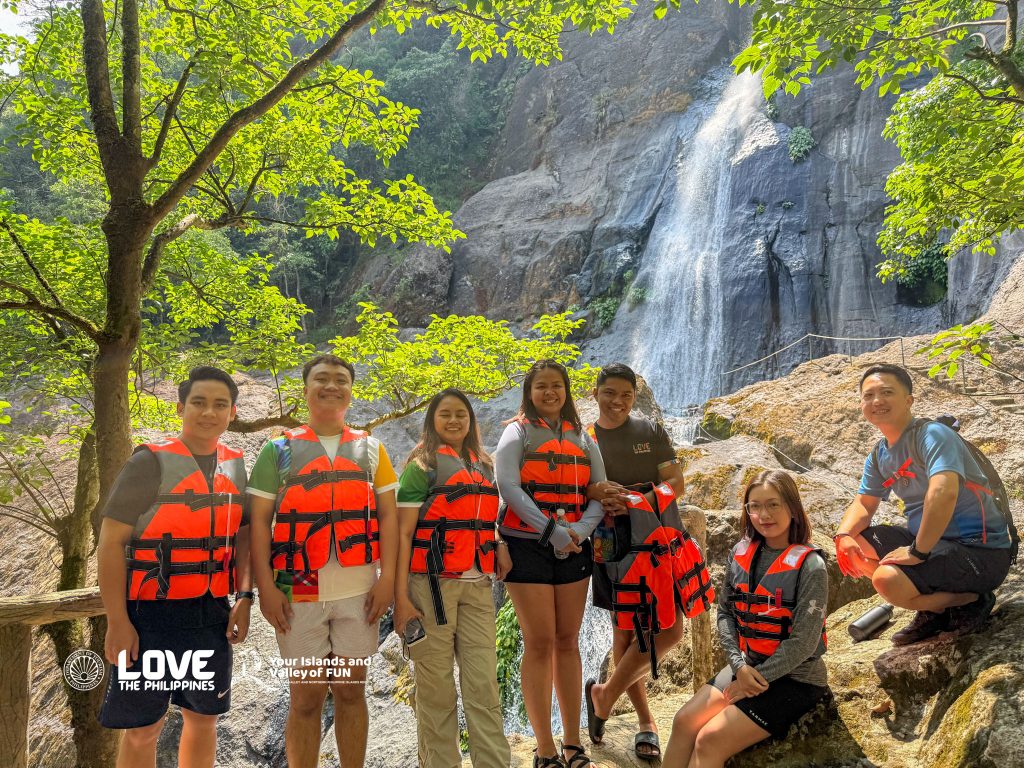
The first day of the validation featured Edralin Falls, a scenic natural attraction nestled within Kasibu’s forested mountain landscape. With its cascading tiers and tranquil natural pools, the site offers visitors a refreshing retreat ideal for both relaxation and outdoor adventure.
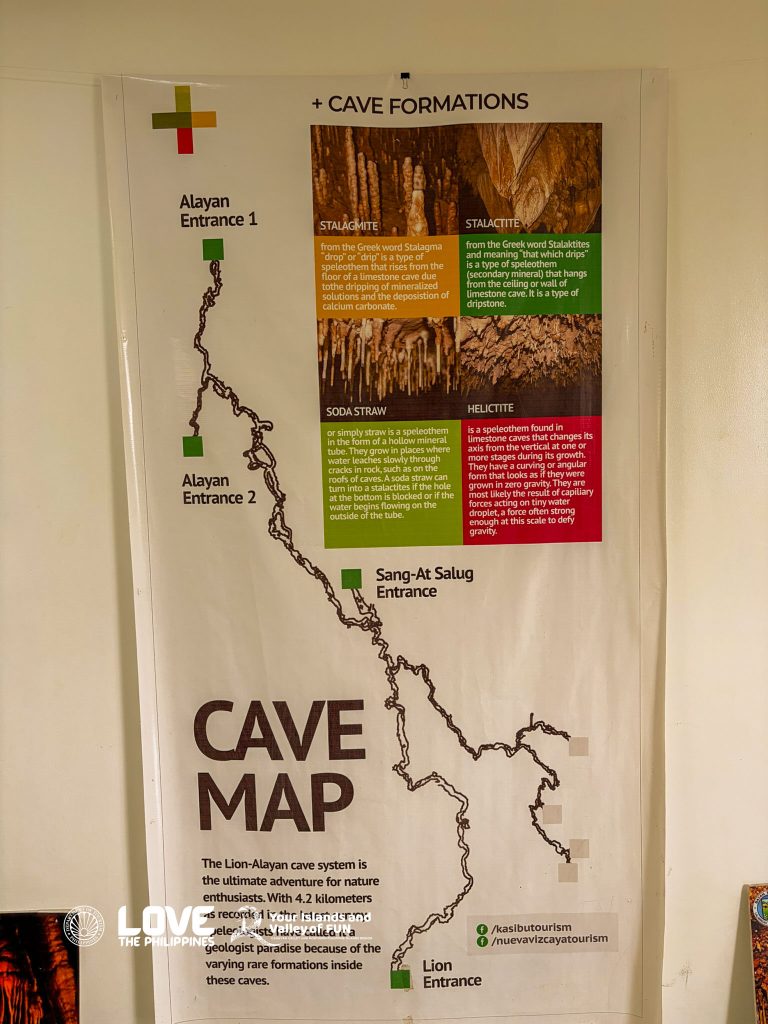
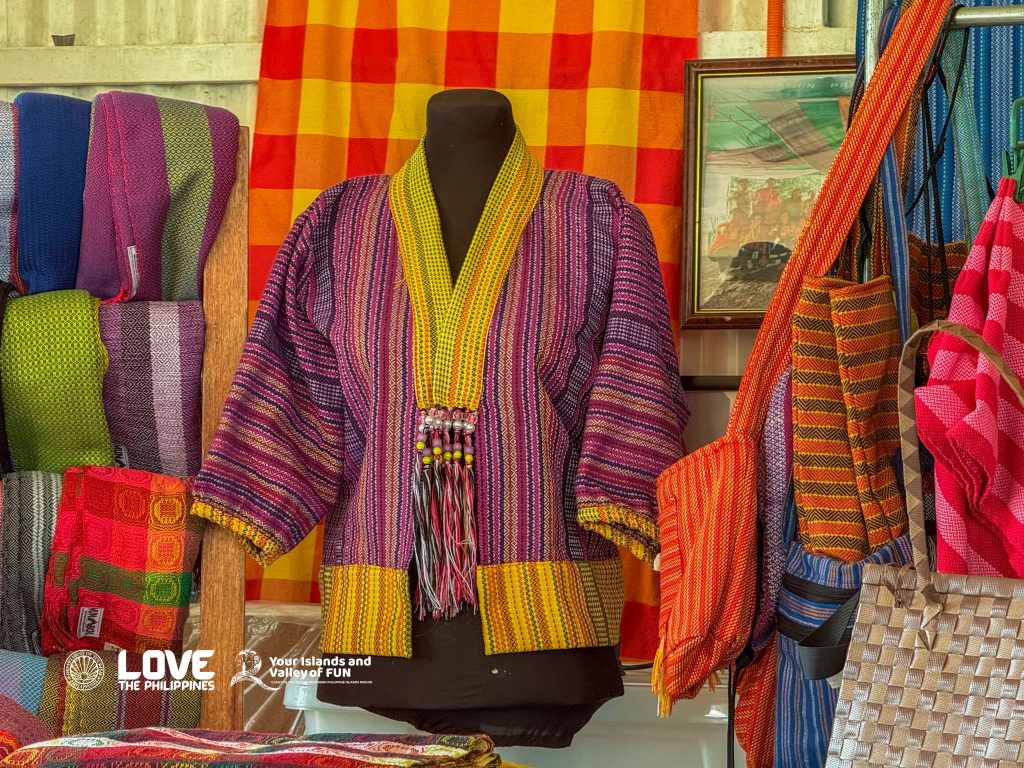
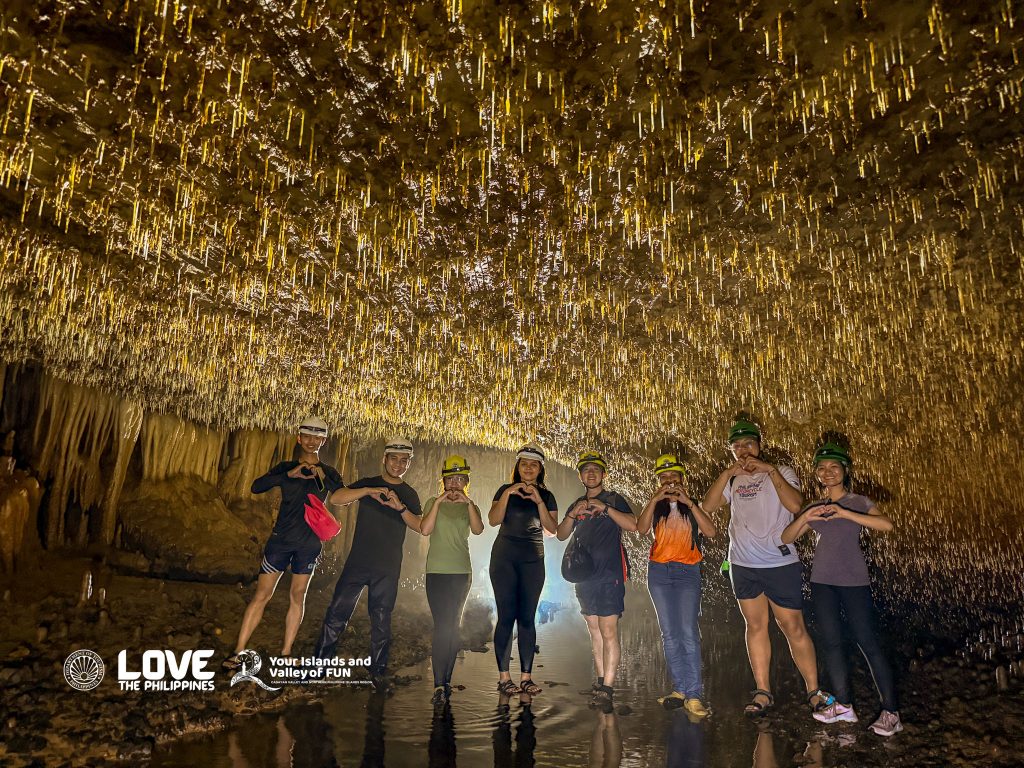
On the second day, participants embarked on an immersive exploration of Kasibu’s eco-cultural assets. A key highlight was the Capisaan Cave System, a world-class cave stretching over 6.2 kilometers and regarded as one of the longest and most remarkable cave systems in the Philippines. Known for its impressive stalactite and stalagmite formations, expansive chambers, and rich biodiversity, the cave provides a unique spelunking experience. The group also traversed the Capisaan Eco Trail, a forest trail conducive to birdwatching and nature appreciation. Cultural immersion was further enriched through traditional Mun-abol weaving, reflecting the craftsmanship of indigenous communities, alongside visits to thriving citrus farms—underscoring Kasibu’s reputation as the “Citrus Capital of the Luzon.”